
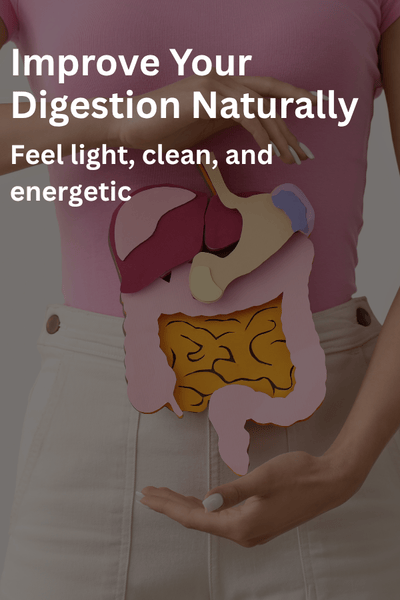
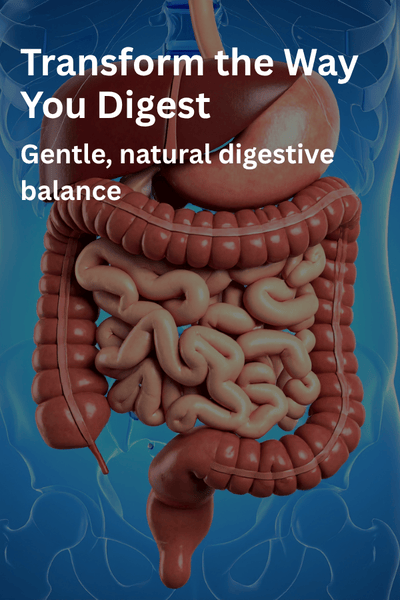
Digestion Image

Improve Digestion Naturally with a Balanced Diet

Digestion is a natural process that turns the food we eat into the energy and nutrients our body needs to stay healthy and active. A balanced diet plays a key role in supporting smooth digestion and overall well-being. When you follow a proper diet, your body can efficiently break down carbohydrates, proteins, and fats into smaller components that are easily absorbed.

Good digestion helps improve metabolism, boosts energy levels, and keeps your immune system strong. Poor eating habits or an unbalanced diet can slow down this process, leading to discomfort, bloating, or other digestive issues. To maintain a healthy digestive system, focus on eating fiber-rich foods, staying hydrated, and consuming meals at regular times. A nutrient-rich diet filled with fresh fruits, vegetables, and whole grains not only supports digestion but also enhances your body’s natural ability to absorb vitamins and minerals effectively. Healthy digestion begins with a smart and balanced diet every day.

Boost Digestion Now
Start My Digestive Reset
Get Digestive Relief

How the Digestion Process Works

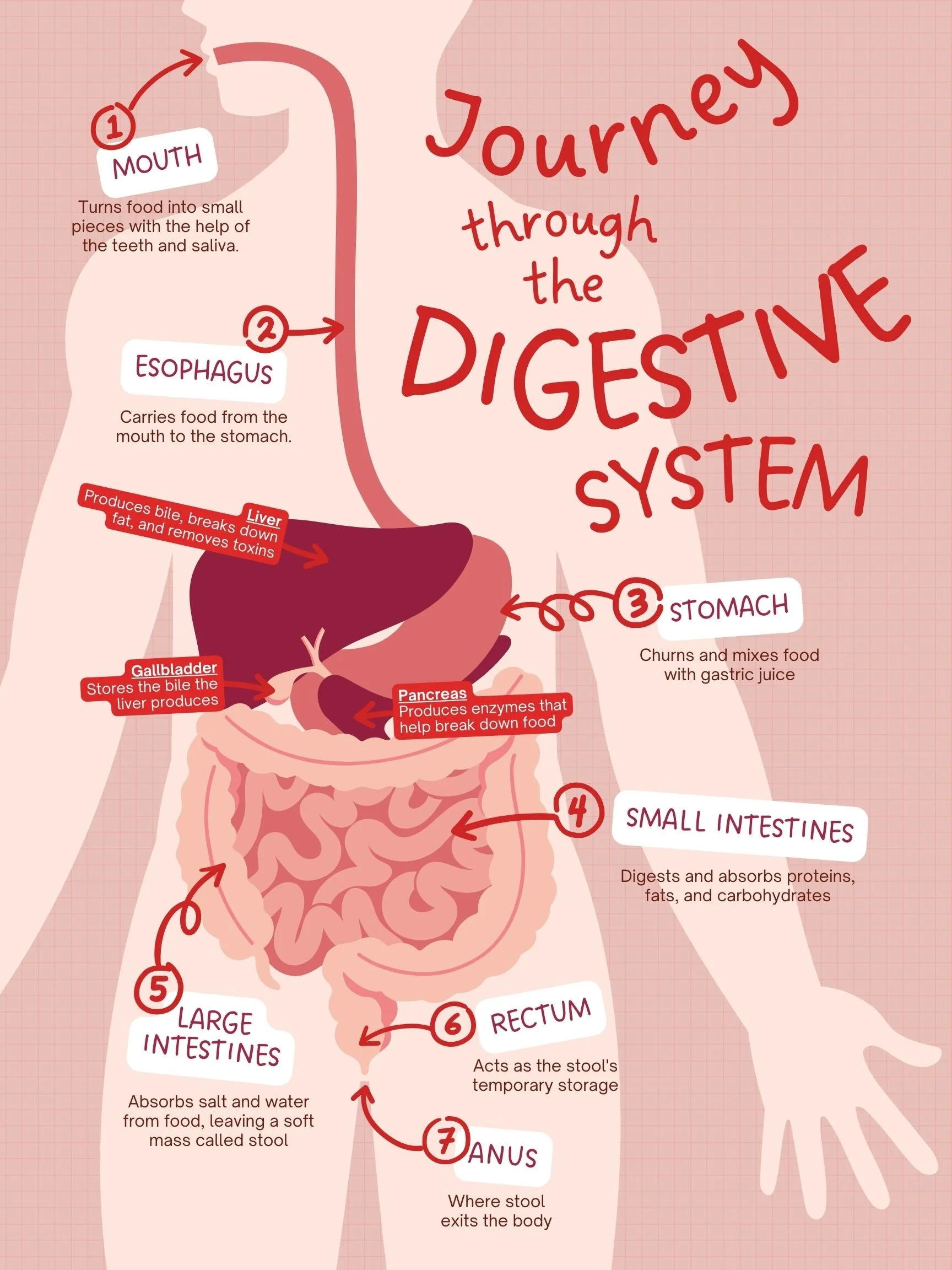
The digestion process is an essential body function that converts the food from your diet into nutrients your body can use for energy, growth, and repair. It begins in the mouth, where chewing and saliva start breaking down food into smaller pieces. From there, it moves down the esophagus into the stomach, where digestive acids and enzymes further dissolve the food into a soft mixture.

The small intestine then plays a major role in digestion — here, the nutrients from your diet are absorbed into the bloodstream with the help of the liver, pancreas, and gallbladder, which release digestive juices and bile. The large intestine absorbs water and minerals while forming waste that exits the body naturally.

A balanced diet rich in fiber, proteins, and healthy fats helps this process run smoothly. Fiber supports bowel movement, while proteins and fats provide sustained energy. Poor dietary choices or overeating can slow down digestion, causing discomfort or bloating. Staying hydrated, eating smaller meals, and maintaining a regular diet schedule all promote better digestive health.

Understanding how digestion works helps you make smarter dietary decisions that enhance nutrient absorption, energy production, and overall well-being. Ultimately, a healthy digestion process depends on the quality of your daily diet and lifestyle choices.
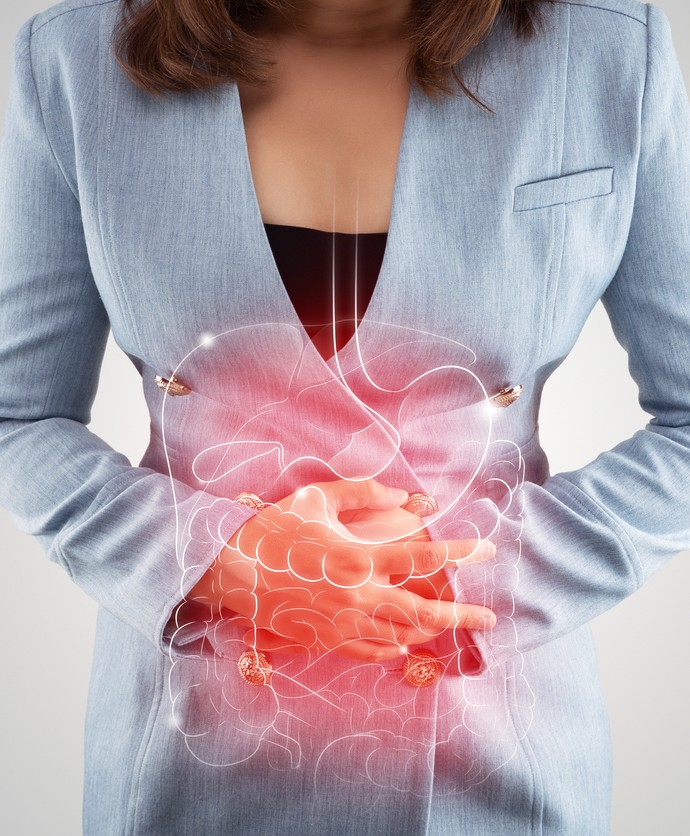
Digestion-web

Key Organs of the Digestive System

The digestive system is a complex network of organs that work together to process food from your diet and transform it into the nutrients your body needs for energy, growth, and repair. Each organ has a vital function that ensures the smooth flow of digestion. By understanding how these organs operate, you can make smarter diet choices that promote better digestive health and overall wellness.

1. Mouth: Digestion starts in the mouth, where the teeth grind food and saliva begins breaking down carbohydrates. Chewing well allows digestive enzymes to work more effectively, making the rest of the process smoother.

2. Esophagus: This muscular tube connects the mouth to the stomach. It uses wave-like contractions, called peristalsis, to push food downward without effort.

3. Stomach: The stomach is a muscular sac that stores food temporarily and mixes it with acids and enzymes. These substances help break down proteins and kill harmful bacteria, preparing food for absorption.

4. Small Intestine: The small intestine is the main site of digestion and nutrient absorption. It receives bile and enzymes from the liver and pancreas to digest carbohydrates, proteins, and fats from your diet.

5. Liver, Pancreas & Gallbladder: The liver produces bile that helps digest fats, the pancreas releases enzymes to break down nutrients, and the gallbladder stores and delivers bile as needed. Together, they support nutrient processing and detoxification.

6. Large Intestine: The large intestine absorbs water, electrolytes, and minerals, converting the remaining material into waste. It also supports healthy gut bacteria that play a role in digestion and immunity.

A balanced diet rich in fiber, fruits, vegetables, and whole grains keeps these organs healthy and supports efficient digestion naturally. Drinking plenty of water and eating mindfully can further enhance digestive function and nutrient absorption.

Digestion-web

Common Digestive Problems

Your diet plays a major role in how well your digestive system functions. When your eating habits are unbalanced or you consume too much processed food, your body may experience various digestive problems. Understanding these common issues helps you make better diet choices to support healthy digestion and overall well-being.


1. Indigestion (Dyspepsia): Indigestion often occurs after eating too quickly or consuming spicy, oily foods. It can cause discomfort, bloating, and a burning feeling in the upper abdomen.


2. Constipation: A diet low in fiber or fluids can lead to constipation. Eating more fruits, vegetables, and whole grains helps promote smooth bowel movements.


3. Bloating and Gas: Excess gas forms when certain foods are not properly digested. Beans, carbonated drinks, and fatty meals can trigger bloating. Maintaining a balanced diet with smaller, lighter meals helps reduce this issue.


4. Acid Reflux (Heartburn): When stomach acid flows back into the esophagus, it causes heartburn. Eating smaller meals and avoiding spicy or acidic foods can help prevent it.


5. Diarrhea: An unbalanced diet, contaminated food, or sudden food changes can cause diarrhea. Staying hydrated and eating bland foods helps restore balance.


Maintaining a healthy diet that includes fiber, water, and probiotics can prevent most digestive problems and promote long-term digestive health.

Tips to Improve Digestion Naturally

A healthy diet is the cornerstone of good digestion. By making smart food choices and following simple lifestyle habits, you can naturally support your digestive system and ensure your body efficiently absorbs nutrients. Improving digestion not only boosts energy but also promotes overall health and well-being. Here are some practical tips to enhance digestion naturally:

1. Eat a Balanced, Fiber-Rich Diet: Include plenty of fruits, vegetables, whole grains, and legumes in your diet. Fiber helps move food through the digestive tract, preventing constipation and promoting regular bowel movements.

2. Stay Hydrated: Drinking enough water throughout the day aids in breaking down food and supports nutrient absorption. A hydrated digestive system functions more efficiently and reduces bloating.

3. Chew Food Properly: Take time to chew your food thoroughly. Proper chewing breaks food into smaller pieces, mixes it with saliva, and makes it easier for the stomach and intestines to digest.

4. Eat Smaller, Frequent Meals: Instead of large heavy meals, eat smaller portions more frequently. This reduces the strain on your digestive system and improves nutrient absorption from your diet.

5. Include Probiotics and Prebiotics: Foods like yogurt, kefir, kimchi, and garlic support healthy gut bacteria. A balanced gut microbiome improves digestion and overall gut health.

6. Exercise Regularly: Physical activity stimulates the digestive tract, helping move food along efficiently. Even light activities like walking after meals can aid digestion.

7. Manage Stress: Stress negatively affects digestion. Practices like meditation, deep breathing, or yoga help maintain a calm digestive system and improve nutrient absorption.

By following these tips and maintaining a nutrient-rich diet, you can naturally support digestion, reduce discomfort, and enhance your overall health.

Digestion-web

Healthy Diet for Better Digestion

A balanced and nutritious diet is essential for maintaining a healthy digestive system. What you eat directly affects how well your body breaks down food and absorbs nutrients. By choosing the right foods and following mindful eating habits, you can support smooth digestion, reduce discomfort, and improve overall health. Here are some key dietary tips for better digestion:

1. Include Fiber-Rich Foods: Fruits, vegetables, whole grains, and legumes are packed with fiber that promotes regular bowel movements and prevents constipation. A fiber-rich diet also helps maintain a healthy gut environment.

2. Stay Hydrated: Water is crucial for digestion. Drinking enough fluids helps dissolve nutrients, softens stool, and ensures that food moves efficiently through the digestive tract.

3. Eat Probiotics and Fermented Foods: Yogurt, kefir, sauerkraut, and kimchi contain good bacteria that support gut health. A diet rich in probiotics improves nutrient absorption and helps maintain a balanced digestive system.

4. Include Healthy Fats: Avocados, nuts, seeds, and olive oil contain healthy fats that aid in nutrient absorption and keep the digestive system functioning properly.

5. Limit Processed and Fatty Foods: Highly processed foods, sugary snacks, and fried items can slow down digestion and cause bloating or discomfort. Opt for whole, natural foods instead.

6. Eat Small, Frequent Meals: Smaller portions are easier to digest and reduce the risk of heartburn or indigestion. Eating slowly and chewing thoroughly also supports better digestion.

7. Add Digestive Spices: Ginger, fennel, peppermint, and turmeric naturally support digestion. Including these in your diet can improve nutrient absorption and reduce digestive discomfort.

Maintaining a healthy diet filled with natural, fiber-rich, and nutrient-dense foods ensures smooth digestion, boosts energy, and promotes long-term well-being.

Importance of Gut Health

Maintaining good gut health is essential for overall well-being, and your diet plays a critical role in supporting it. A healthy gut ensures that your body effectively digests food, absorbs nutrients, and eliminates waste efficiently. Poor gut health can lead to digestive discomfort, nutrient deficiencies, and even affect your immune system and mental health. By focusing on a balanced diet, you can nurture your gut and support long-term wellness.

1. Supports Digestion and Nutrient Absorption:
A healthy gut helps break down food efficiently and ensures that essential nutrients from your diet are absorbed properly. This promotes better energy levels and overall health.

2. Enhances Immunity:
About 70% of your immune system resides in the gut. Eating a gut-friendly diet rich in fiber, probiotics, and whole foods helps maintain a strong immune system.

3. Reduces Digestive Problems:
A balanced diet that supports gut health can prevent bloating, constipation, diarrhea, and other common digestive issues.

4. Supports Mental Health:
Gut health is linked to brain function through the gut-brain axis. A healthy gut can positively influence mood, stress levels, and cognitive function.

5. Maintains Healthy Weight:
A well-functioning gut helps regulate metabolism and supports a healthy body weight by optimizing nutrient absorption and energy use.

Focusing on a nutrient-rich, fiber-filled, and balanced diet is the key to maintaining gut health, supporting digestion, and improving overall quality of life.

When to See a Doctor for Digestion Issues

Digestive problems can often be managed with a healthy diet and lifestyle changes. However, there are times when persistent or severe symptoms require medical attention. Understanding when to consult a doctor ensures that serious conditions are identified early and treated effectively.

If you experience frequent or severe abdominal pain, unexplained weight loss, persistent bloating, chronic constipation, or diarrhea, it may indicate an underlying digestive disorder that needs professional evaluation. Similarly, symptoms such as heartburn that doesn’t improve with dietary changes, blood in stool, or difficulty swallowing should never be ignored. While a balanced diet can relieve mild digestive discomfort, persistent issues could signal problems like acid reflux, ulcers, or inflammatory bowel conditions.

People with existing medical conditions, such as diabetes or autoimmune disorders, should be especially cautious, as digestion problems may affect nutrient absorption and overall health. In such cases, a doctor can recommend tests, dietary adjustments, or medications to support digestive function and prevent complications.

Early intervention is key to managing digestive health effectively. A doctor can guide you on a suitable diet, lifestyle changes, and treatments tailored to your needs. Maintaining a fiber-rich, balanced diet along with proper hydration, exercise, and mindful eating habits can reduce many digestive problems, but professional guidance ensures that any serious issues are addressed promptly and safely.

FAQs About Digestion

1. What is a balanced diet?

A balanced diet provides all essential nutrients—carbohydrates, proteins, fats, vitamins, and minerals—in the right proportions. It ensures your body gets enough energy, supports growth, and maintains overall health. Eating a variety of foods like fruits, vegetables, whole grains, lean proteins, and healthy fats helps maintain a balanced diet.


2. Why is diet important for health?

Your diet directly impacts energy levels, digestion, immunity, and weight management. A nutritious diet helps prevent chronic diseases, supports mental health, and improves overall quality of life. Poor dietary habits can lead to nutrient deficiencies, digestive issues, and increased risk of illnesses.


3. How does diet affect digestion?

A fiber-rich diet aids in smooth digestion by promoting regular bowel movements and feeding healthy gut bacteria. Proper hydration and a balanced mix of nutrients support enzyme activity and nutrient absorption, preventing constipation, bloating, and indigestion.


4. What foods should I eat for a healthy diet?

A healthy diet includes fresh fruits, vegetables, whole grains, lean proteins, nuts, seeds, and probiotics. These foods supply essential nutrients, improve digestion, and maintain energy levels throughout the day.


5. How can diet help with weight management?

Eating a nutrient-rich diet with controlled portions helps manage weight by providing essential nutrients without excess calories. Combining this with regular exercise supports metabolism, reduces fat accumulation, and promotes a healthy body composition.


6. What is the role of fiber in a diet?

Fiber in your diet aids digestion, prevents constipation, regulates blood sugar, and promotes a healthy gut microbiome. Foods like vegetables, fruits, legumes, and whole grains are excellent fiber sources.


7. Can diet affect mental health?

Yes, a balanced diet impacts mental health. Nutrient-rich foods support brain function, reduce stress, and improve mood. Omega-3 fatty acids, B vitamins, and antioxidants play a key role in maintaining cognitive health.


8. How much water should I drink with my diet?

Staying hydrated is essential for digestion and nutrient absorption. A general guideline is 8–10 glasses of water per day, though needs vary based on activity levels, climate, and diet. Water helps fiber move efficiently through the digestive system.


9. Are processed foods bad for a diet?

Processed foods high in sugar, salt, and unhealthy fats can disrupt digestion and contribute to weight gain. A balanced diet focuses on whole, natural foods to provide nutrients without added chemicals or preservatives.


10. Can diet improve gut health?

Yes, a gut-friendly diet rich in probiotics, prebiotics, and fiber supports healthy gut bacteria. This improves digestion, boosts immunity, and enhances nutrient absorption.


11. What is the role of proteins in a diet?

Proteins are vital for repairing tissues, building muscles, and supporting enzyme and hormone production. Lean meats, eggs, dairy, legumes, and nuts are excellent sources in a balanced diet.


12. How does diet affect energy levels?

A nutritious diet provides carbohydrates for immediate energy, proteins for sustained energy, and fats for long-term fuel. Balanced meals prevent fatigue, maintain focus, and improve overall vitality.


13. Can diet prevent digestive problems?

Yes, eating a fiber-rich, well-balanced diet with adequate hydration can prevent constipation, bloating, acid reflux, and other common digestive issues. Regular meals and mindful eating further support digestive health.


14. How important is portion control in a diet?

Portion control helps prevent overeating, supports weight management, and allows proper digestion. A balanced diet with moderate portions ensures nutrient intake without putting stress on the digestive system.


15. What are the benefits of a plant-based diet?

A plant-based diet provides fiber, vitamins, minerals, and antioxidants. It supports heart health, improves digestion, helps maintain weight, and reduces the risk of chronic diseases.


16. Can diet affect sleep quality?

Yes, consuming a balanced diet with the right nutrients can improve sleep quality. Avoiding heavy, spicy, or sugary foods before bedtime supports better rest and digestion.


17. How do healthy fats fit into a diet?

Healthy fats from avocados, nuts, seeds, and olive oil aid nutrient absorption, support brain function, and promote heart health. Including these in your diet is essential for overall well-being.


18. Can diet help boost immunity?

A nutrient-rich diet supports immune function by providing vitamins, minerals, and antioxidants. Foods like citrus fruits, leafy greens, yogurt, and nuts strengthen the body’s defenses.


19. How often should I eat in a day?

Eating 3–5 balanced meals a day helps regulate blood sugar, maintain energy, and support digestion. Smaller, frequent meals reduce digestive stress and improve nutrient absorption.


20. Are supplements necessary if I have a good diet?

If your diet is balanced and nutrient-rich, most supplements may not be necessary. However, individual needs vary, and supplements can support specific deficiencies as advised by a healthcare professional.